
Kotare 1/32nd Bf109K-4
By Sándor Fülöp
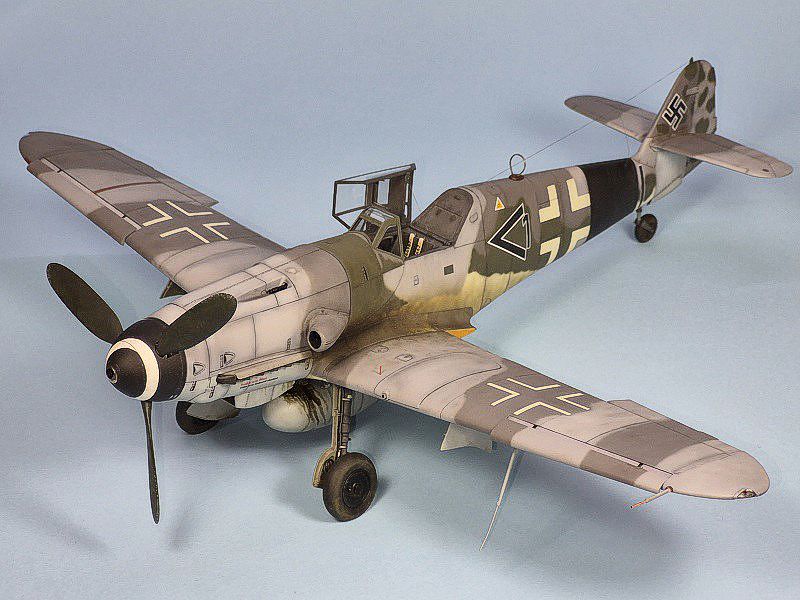
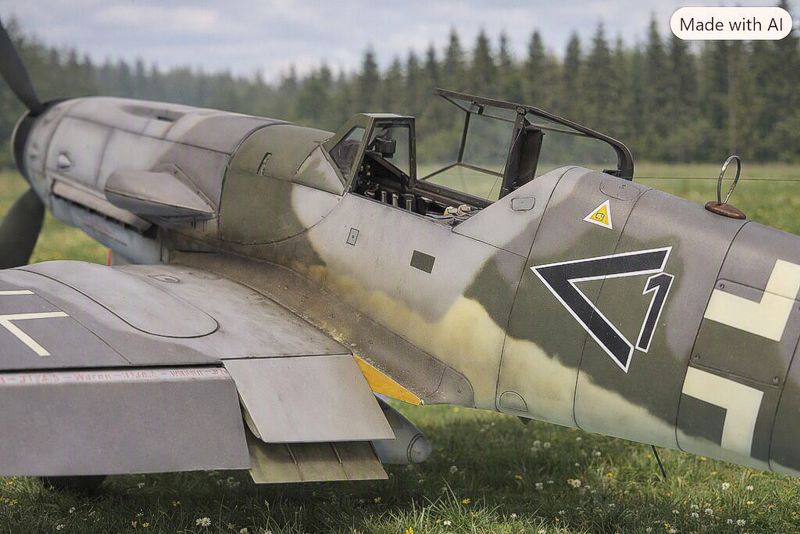
Here is my Kotare K-4.
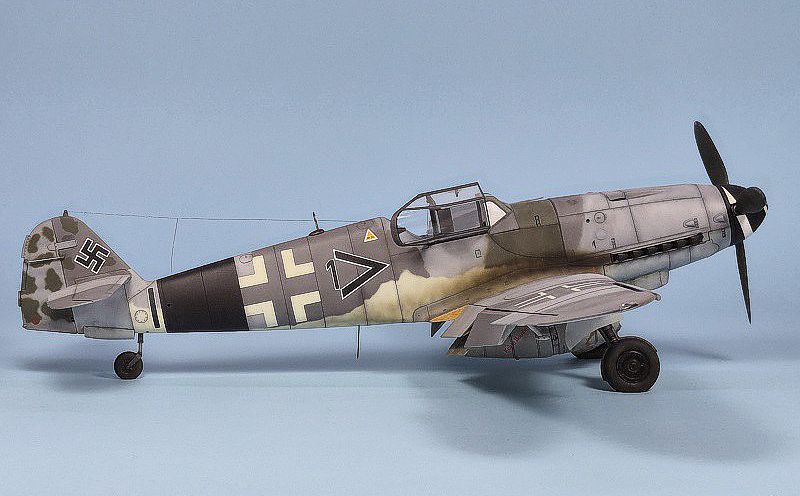
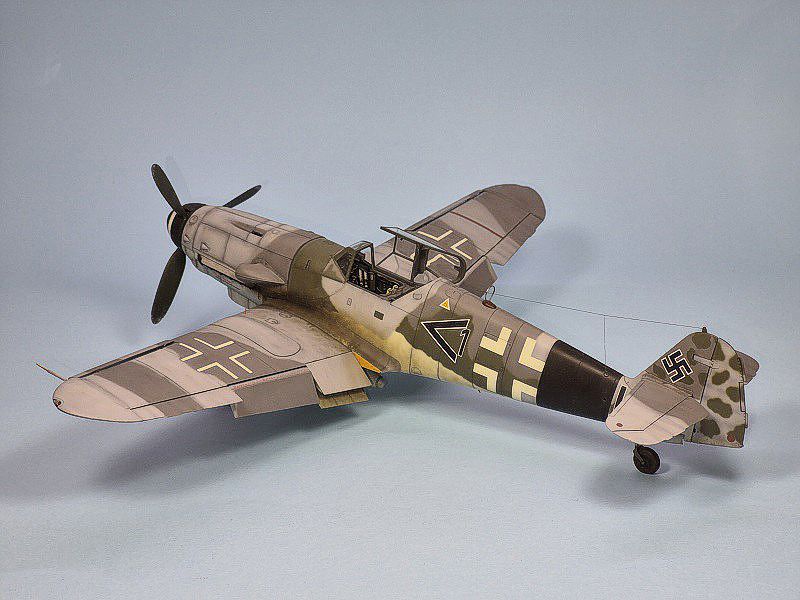
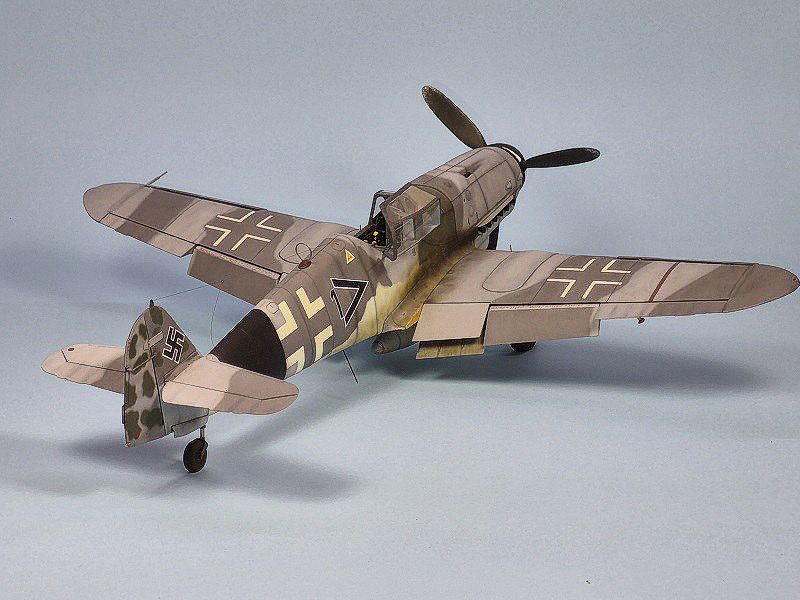
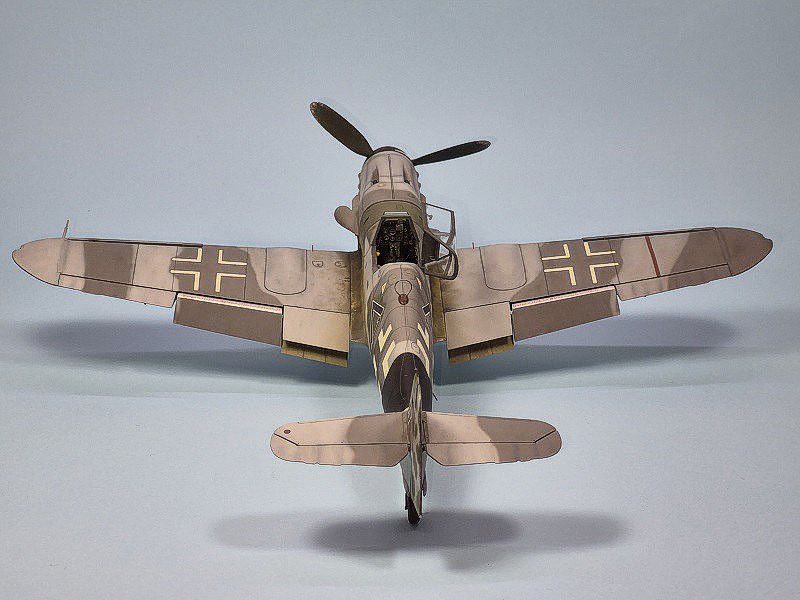
It was built almost out of the box, except for all antennas, pitot tube, machine guns, the undercarriage indicators, and some small details in the cockpit. This was the most enjoyable kit that I ever built.
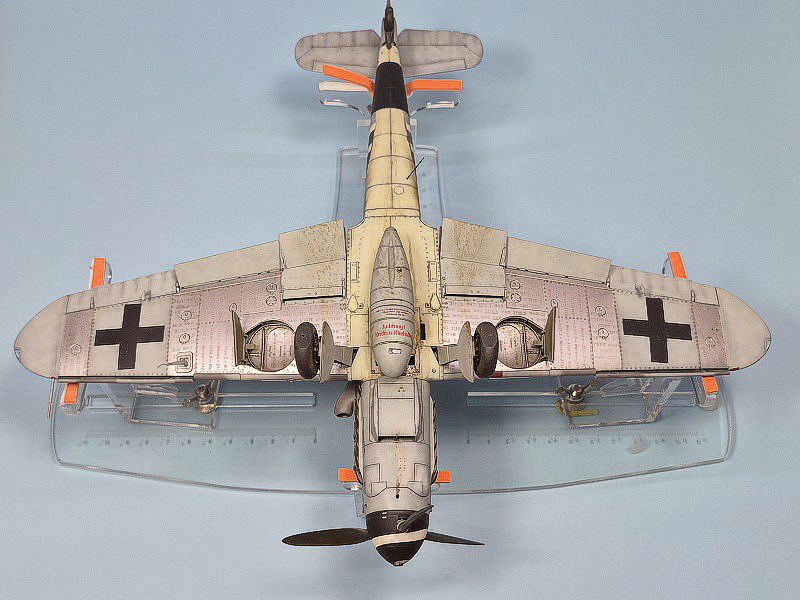
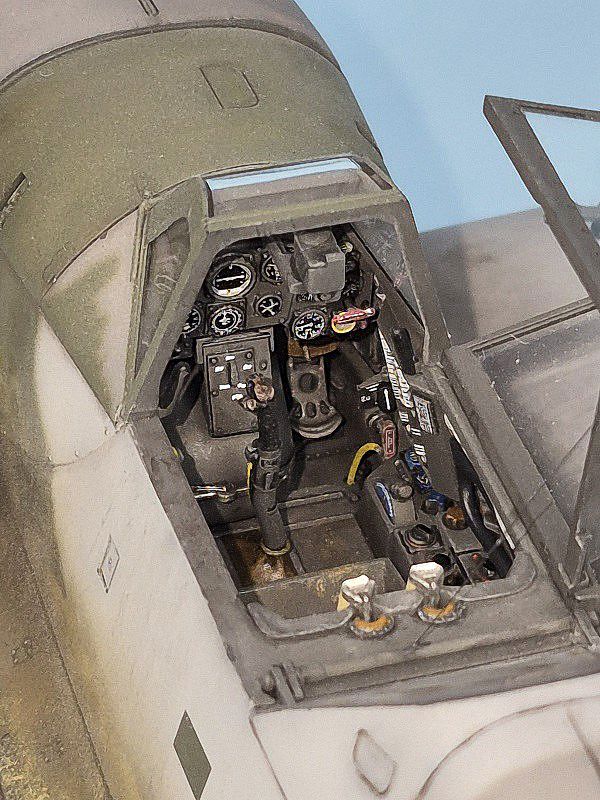
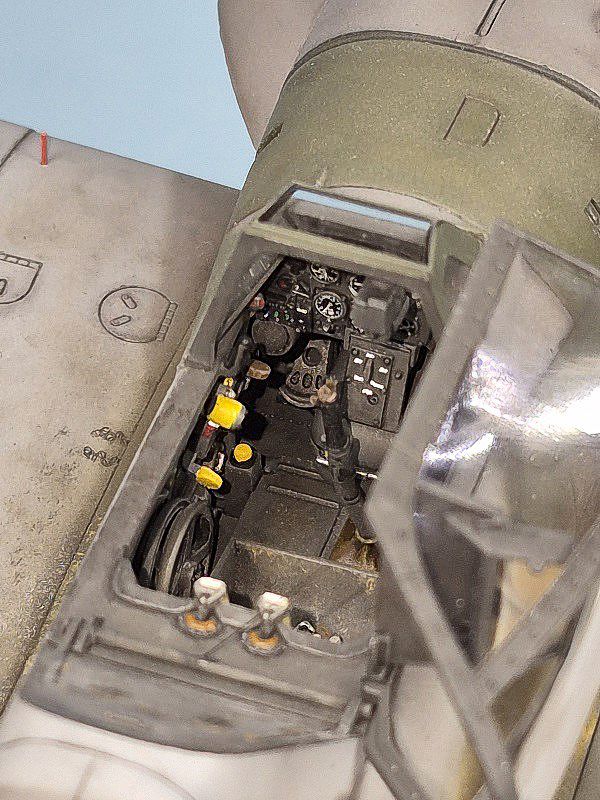
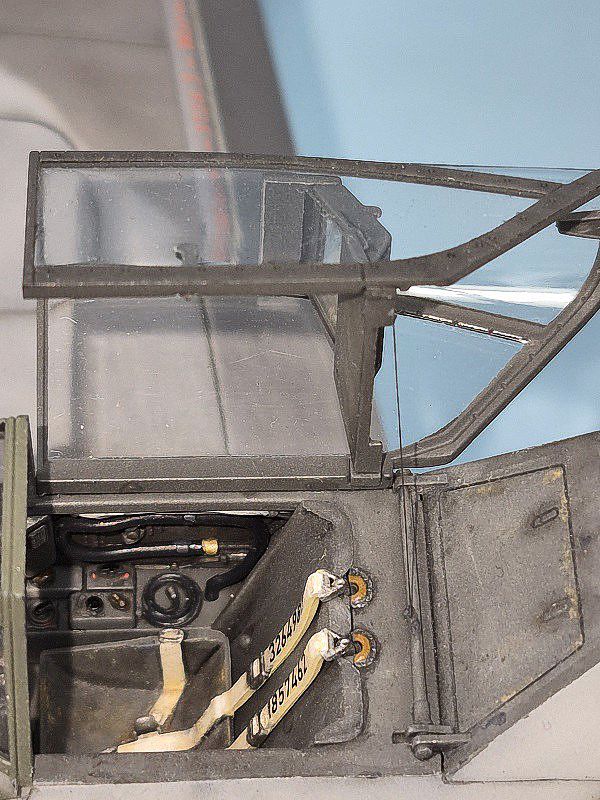
For painting, I used MRP and Mr Colour paints (some colours are my own mix). The decals came from the excellent AIMS sheet 32D015 (thanks to friend John!), although the Balkenkreuzes were painted on.
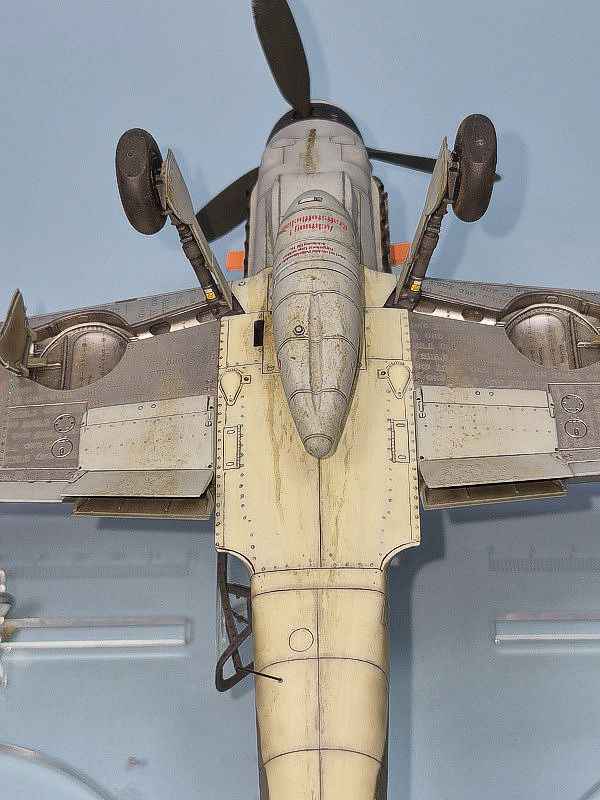
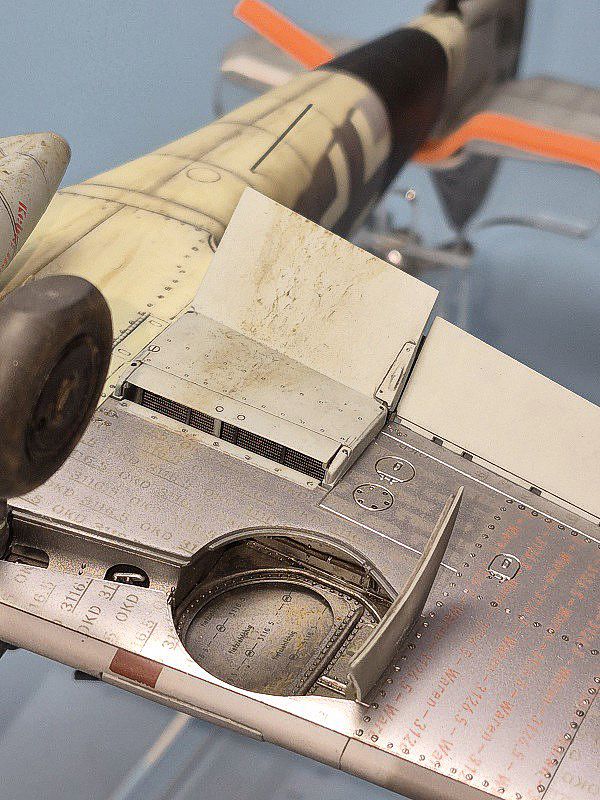
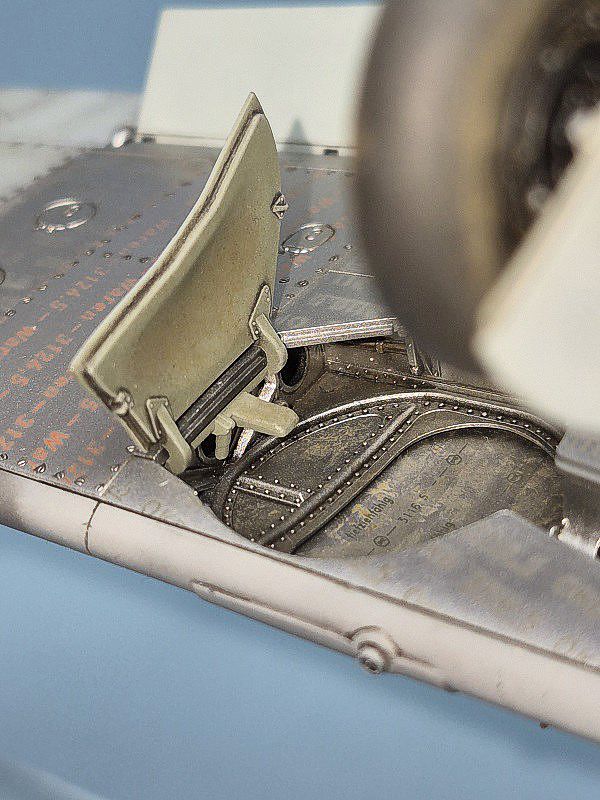
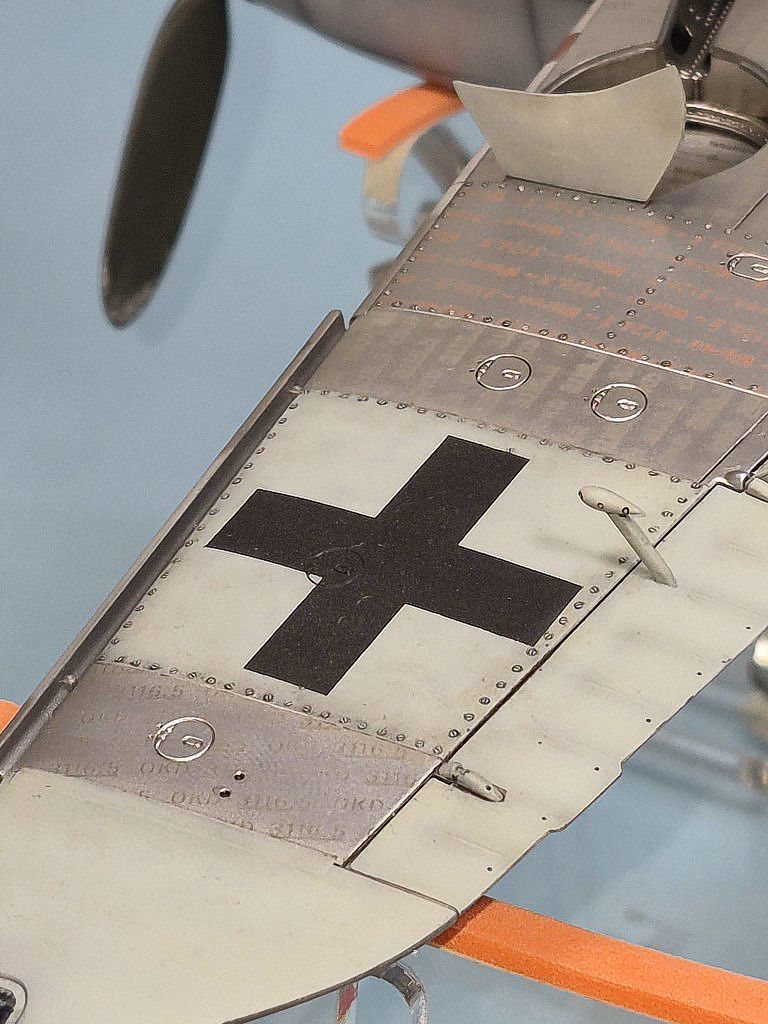
About the aluminum manufacturers’ stamps on the bare metal areas on the plane’s underside: There are published photos of such metal stamps. Please look at e.g. Luftwaffe Camouflage and Markings 1933-1945 Volume Two (Merrick) page 427. I am fortunate because I have been able to inspect many aircraft parts over the past years. I have helped on several occasions with the identification of colors and the reconstruction of camouflage patterns. (For example, in Károly Magó's book "Chevron and Cross", which is about the camouflage colors and schemes of the Royal Hungarian Air Force.) I held a piece of wreckage with metal stamps in my hand. And also (from the belly of a Bf 109 G-10) that had been sprayed with 76 so thinly that the markings were visible under the paint. So the existence of metal stamps is a fact for me, not a fiction. I can't prove that this was on Bernhard's plane (there is no photo of the underside of the wings), but consider this my artistic decision.
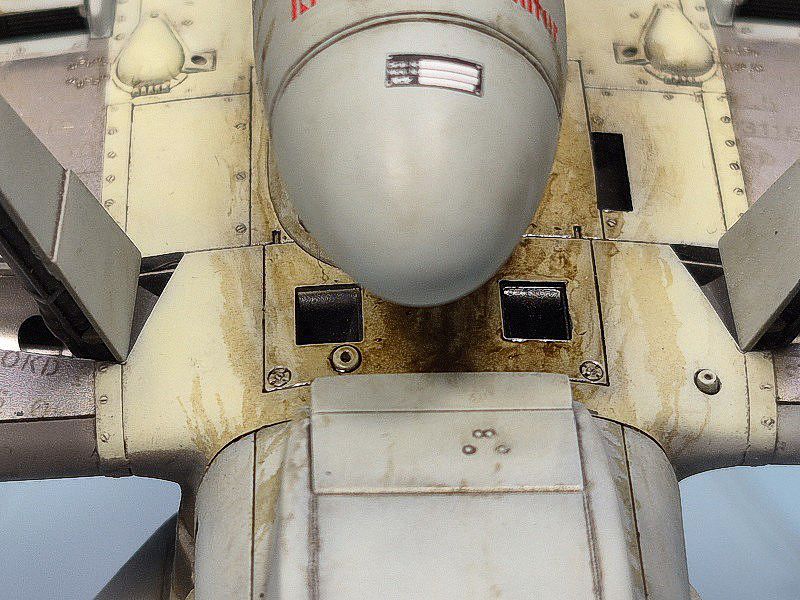
To re-create these stamps on the underside I used laser cut templates. I used an airbrush, painting in thin layers to achieve different intensities of the markings. I had first tried to make the stamps with both MDC (the ones in the wheel bays) and Das Werk decals. The decal film always changed the shine of the metallic paint, and I didn't want to use any varnish on it. This was the basis for the idea of the airbrush template. John (AIMS) is my good friend, he was the first to know about the idea. But ultimately, another company I work with, Red Fox, will implement it. I am pleased to announce that three types of airbrush stencils for the metal stamps will soon be available in the Red Fox range in thin photo etch. My templates were laser-cut paper prototypes by my friend Robert from Rescue Models.
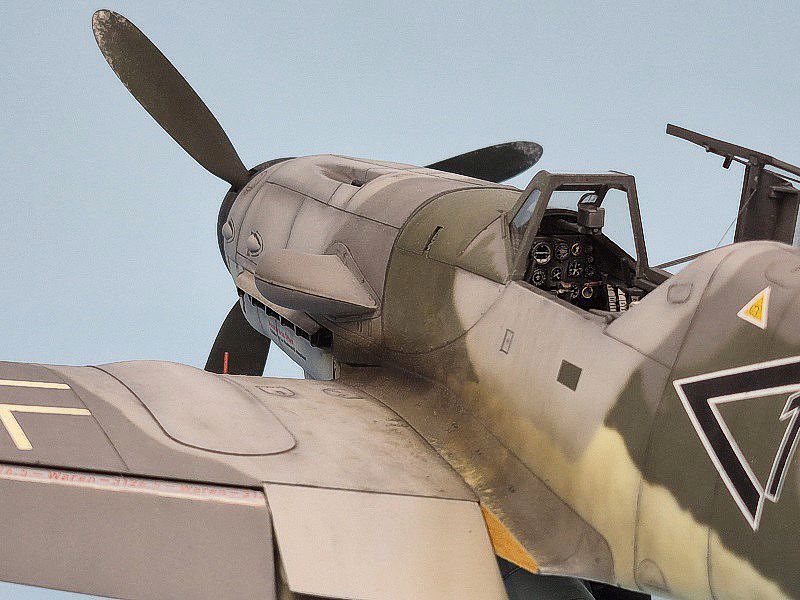
Also note on some G-10s and most K-4s, the wing roots are partially made of wood. Specifically: the part behind the exhaust is metal, behind that is wood, and the last segment is metal again. The unpainted wooden part of my model is clearly visible in several K-4 photos. It is best seen on page 92 of the LO+ST book. Among the better known machines it is found on Adolf Borchers's K-4 (see page 37 of the Kotare instructions, or page 43 of the JaPo "Messerschmitt Bf 109s of JG 52 in Deutsch Brod."). In fact, there is at least one known aircraft with the full length of the wingroot's wooden section is unpainted. Maybe a replacement part. (Black 16 from JG 53, see Broken Eagles 3, page 5.)
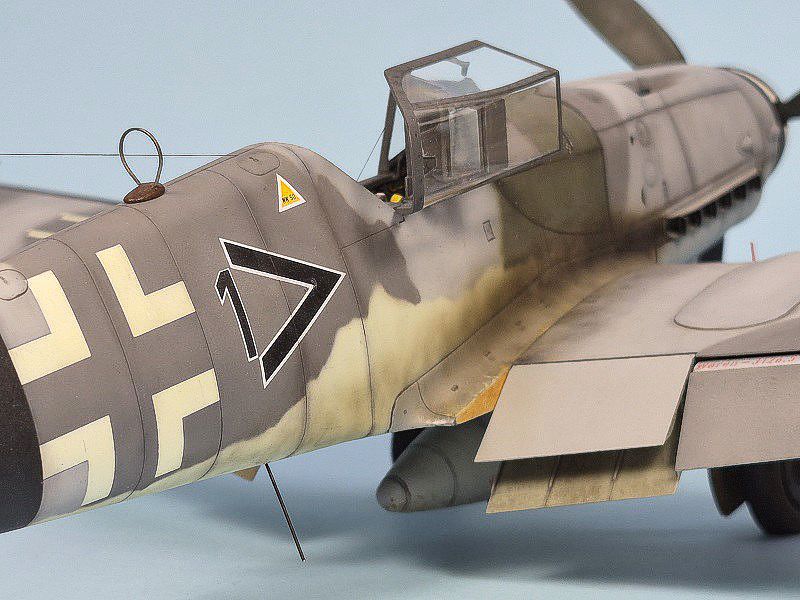
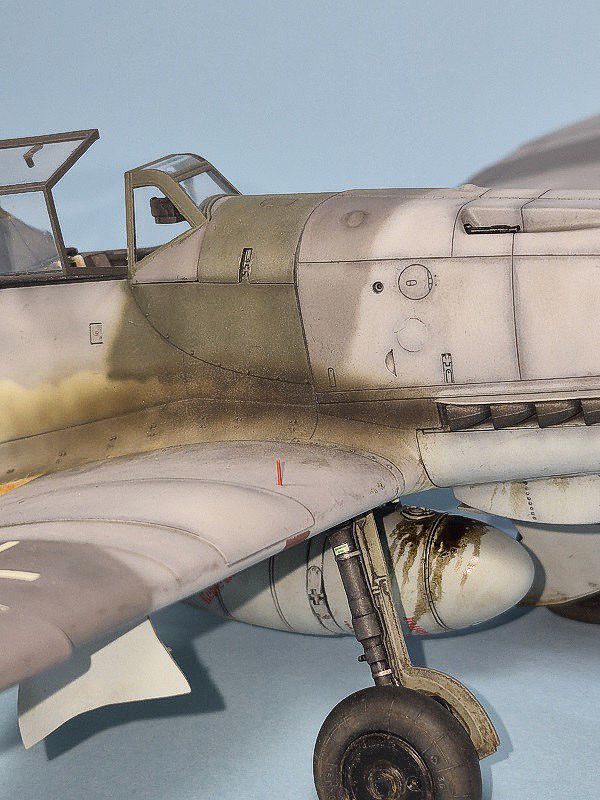
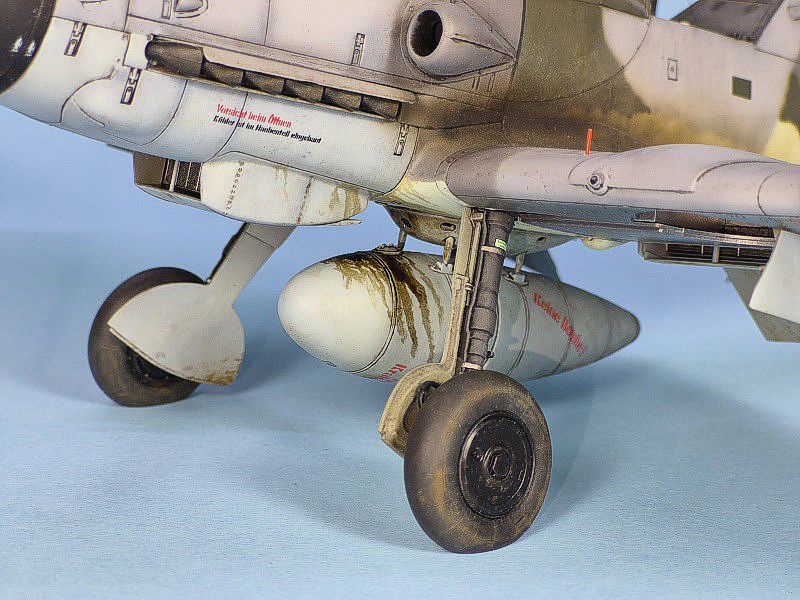
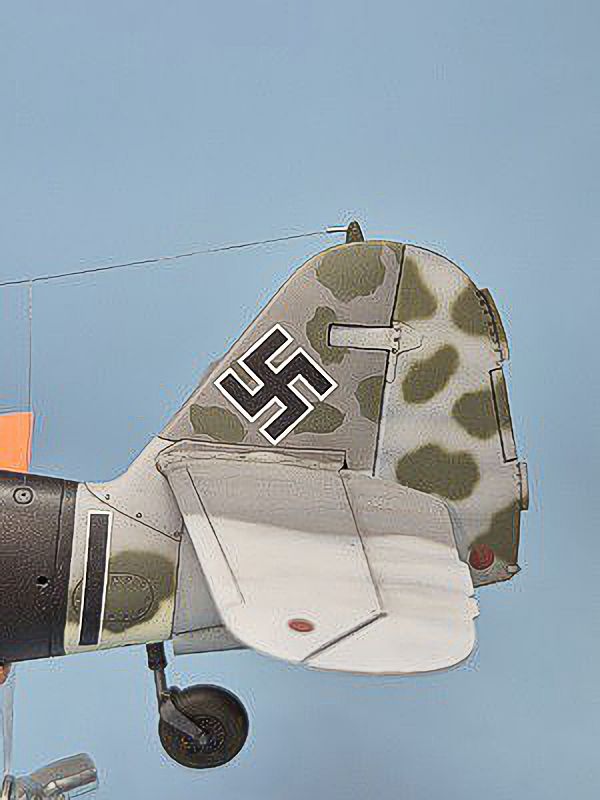
For weathering, various oils, pencils and chalks were utilized.
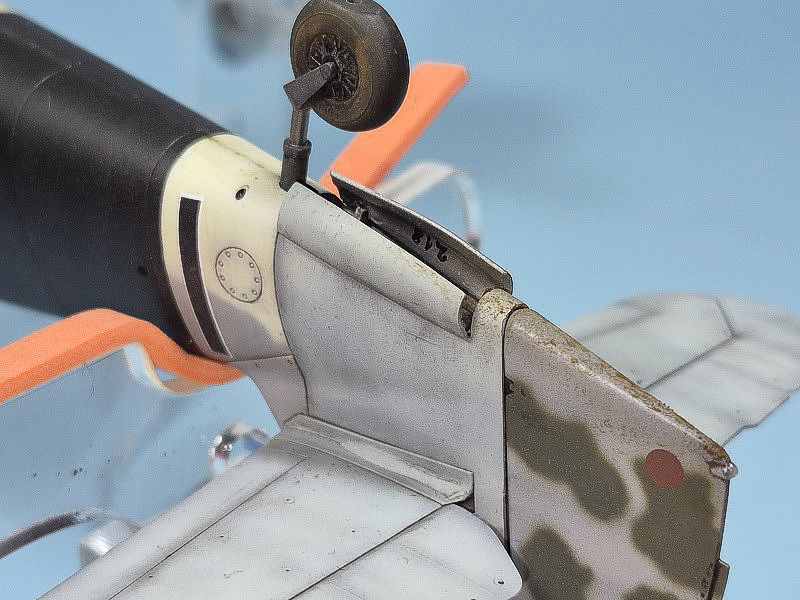
Thanks for watching, I hope you like it.
© Sándor Fülöp 2026
This article was published on Friday, September 18 2026; Last modified on Friday, September 18 2026